Interior, exterior, or both?
- Interior-only with smooth slabs: cushion-tire or electric sit-down units fit narrow aisles and controlled floors.
- Mixed thresholds and docks: pneumatic-tire electrics or IC units handle dock plates and exterior aprons.
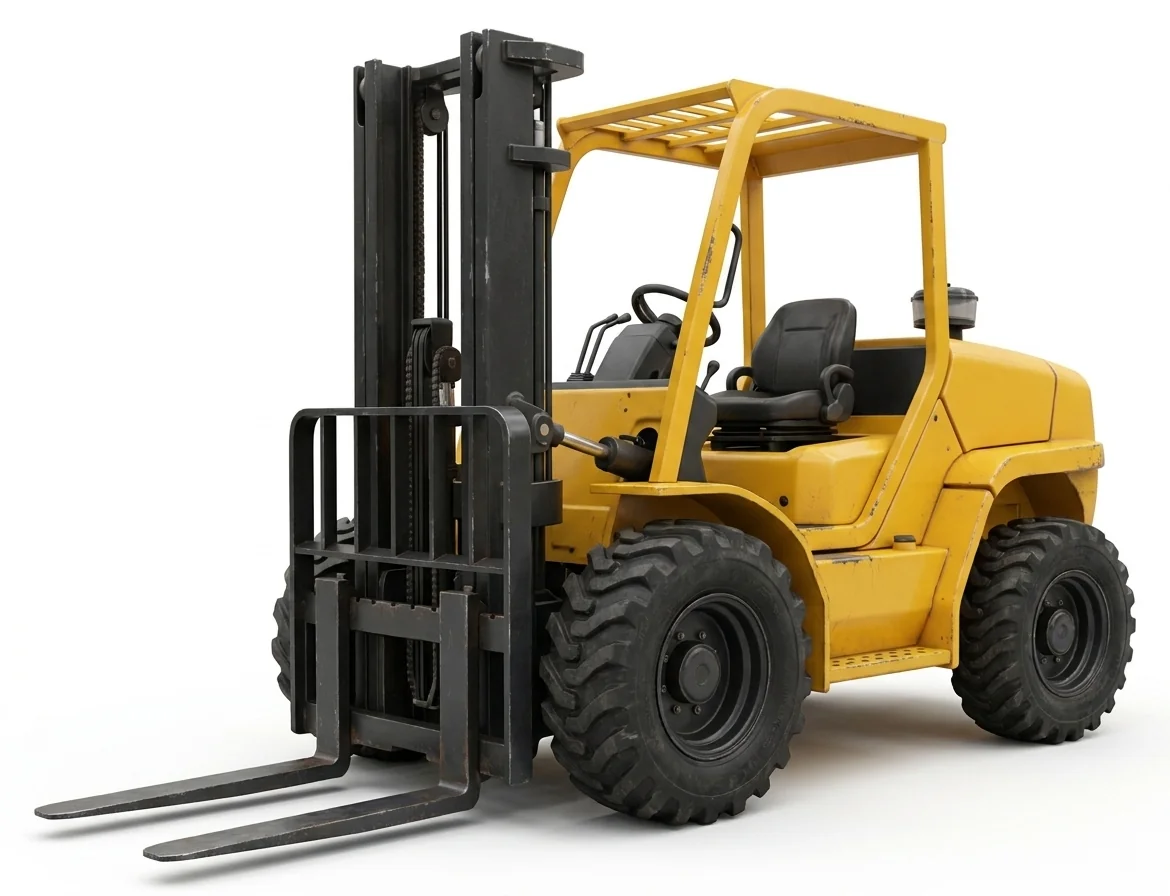
- Outdoor yards with variable soils: rough-terrain forklifts address ruts and grades.
In clean-sensitive production, emissions and floor protection drive the choice toward electric power and non-marking tires. In distribution buildings, tall racking sets mast height and collapse requirements for doorways. Around construction receiving, lake-effect winters may leave slush at entries, so approach clearance and tire selection matter.
Measurements that decide the class
- Heaviest pallet weight at the top storage level.
- Aisle width at the tightest turn, including overhangs and columns.
- Door and dock dimensions along the route, plus floor load limits.
If the task adds elevated placement beyond typical mast reach or requires setting over obstacles, see telehandlers or boom lifts. For straightforward pallet moves and stacking inside local facilities, forklifts remain the most efficient option.
Related categories
- Elevated material placement: /telehandler-rental/
- Personnel access at height: /vertical-mast-lift-rental/ and /electric-scissor-lift-rental/
- Site support: /storage-containers-rental/
Actual site conditions, equipment instructions, and facility procedures govern all material handling in Kalamazoo.
Planning note
Confirm battery charging or fuel access near the work area. Power logistics often determine whether electric or internal combustion forks keep pace with shifts in local facilities.